Tag Archives: HMHS Britannic

Remembering Britannic (21 Nov 1916)

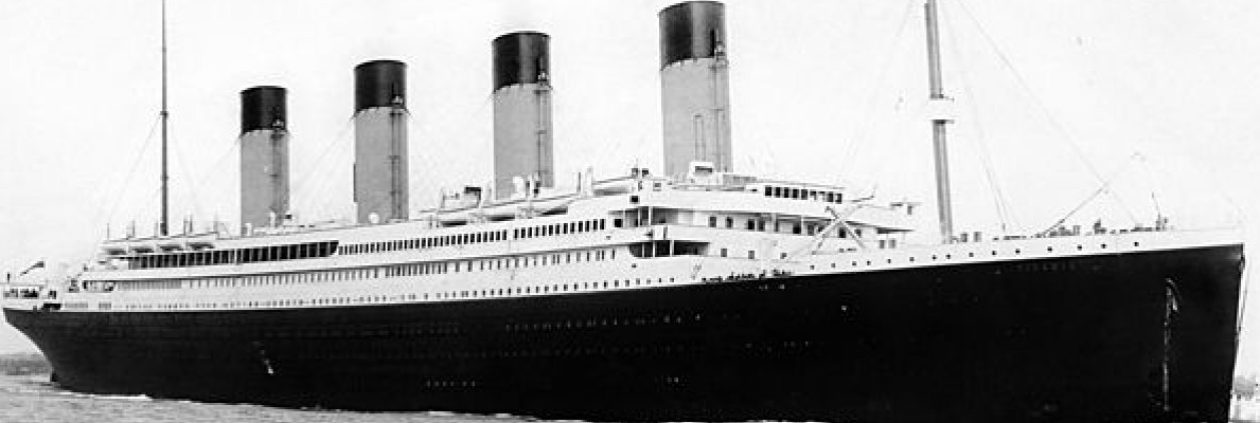
HMHS Britannic seen during World War I.
Image:public domain

On 21 November 1916, HMHS Britannic was sunk by mine near the island of Kea in the Aegean Sea. The ship sank in 55 minutes and 1,035 people were rescued, only 30 perished. Britannic was the third and last ship of the Olympic class liners built by White Star Line. The other two were Olympic and Titanic. Britannic was launched in February 1914. Many design changes were made prior to launch due to lessons learned from Titanic. Those changes were:

  • Double hull along the engine and boiler rooms raising six of the watertight bulkheads up to B deck.
  • More powerful turbine installed due to increase in hull width.
  • Watertight compartments were enhanced so that the ship can stay afloat with six compartments flooded.
  • Motorized davits to launch six lifeboats (only five out of eight were installed before war service). Manual operated davits were used for the remaining lifeboats. The new design also allowed all lifeboats to be launched even if the ship was listing. There were 55 lifeboats with capacity for 75 each so that 3,600 people could be carried.

When World War I broke out, the ship had to be retrofitted as a hospital ship. Most of the furnishings were stored in a warehouse to be placed back aboard after the war. The Britannic began service as a hospital ship on 12 December 1915. She was sent to the Aegean Sea to bring back sick and wounded soldiers. Her first tour of service was ended on 6 June 1916 and she was sent back to Belfast to be refitted back as a passenger liner. As this was underway, the ship was again recalled to military service on 26 August 1916 and was sent back to the Mediterranean Sea.

On the morning of 21 November 1916, the Britannic under the command of Captain Alfred Barnett was steaming into the Kea Channel when at 8:12 am a loud explosion shook the ship. The explosion, unknown at the time whether it was a torpedo or mine, damaged the first four watertight compartments and rapidly filled with water. Water was also flowing into the boiler room. Captain Bartlett ordered the watertight doors closed, sent a distress call, and ordered the lifeboats be prepared. Unfortunately, while they could send messages, damage to the antenna wires meant they could not hear the responses back from ships responding to their SOS.  Britannic was reaching her flooding limit and open portholes (opened by nurses to ventilate wards) were bringing more water in as well.

As the ship was still moving, Bartlett did not order lifeboats be lowered but two lifeboats were lowered anyway. They were sucked into the ships propellor and torn to bits killing everyone in those two lifeboats. Bartlett ordered the ship stopped to assess the damage. The ship was listing so badly that the gantry davits were inoperable. Thinking the sinking had slowed, he ordered the engines back on to try and beach the ship. The flooding increased as more water was coming in aided by the open portholes the nurses had opened to air out their wards early in the morning. Bartlett ordered the engines stopped and to abandon ship. She would sink at 9:07 am, 55 minutes after the explosion. Thankfully the water temperature was high (70 F), they had more lifeboats than Titanic, and rescue came less than two hours. Nearby fisherman were able to help and at 10:00 am, the HMS Scourge arrived and later the HMS Heroic and later the HMS Foxhound.

1,035 survived. Of the 30 lost, only five were buried as their bodies were not recovered. Memorials in Thessaloniki and London honor those lives lost. Survivors were housed on the warships and the nurses and officers were put into hotels. Most survivors were sent home, and some arrived in time for Christmas. Speculation about whether it was a torpedo or a mine was resolved when it was learned that a German submarine (SM U-73) had planted mines in the Kea Channel in October 1916. The loss of two Olympic class ships was a major blow to White Star Line. They would get, as a result of the Treaty of Versailles, the German ocean liner Bismarck (renamed Majestic), which replaced Britannic. They also got Columbus which was named Homeric.

Britannic has been largely forgotten except when news of expeditions were made to the wreck site over the years. The wreck itself was bought by noted author Simon Mills, who has written two books on the ship. An expedition in September 2003 located by sonar mine anchors confirming German records of U-73 that Britannic was sunk by a single mine. The expedition found several watertight doors open making it likely the mine strike was during a watch change on the ship. One notable survivor was Violet Jessop. She had been on Olympic as stewardess when it collided with the HMS Hawke, aboard Titanic in the same capacity when it sank, and then aboard Britannic as a stewardess with the Red Cross.

Sources

“Britannic,” Encyclopedia Britannica, last modified November 17, 2025, accessed November 20, 2025, https://www.britannica.com/topic/Britannic.

“HMHS Britannic | Atlantic Liners,” accessed November 20, 2025, https://atlanticliners.com/white_star_home/britannic_home/.

Milligan, Mark. “The Loss of the Britannic – Titanic’s Sister Ship.” HeritageDaily – Archaeology News. Last modified August 9, 2024. Accessed November 20, 2025. https://www.heritagedaily.com/2023/06/the-loss-of-the-britannic-titanics-sister-ship/147882.

Hickman, Kennedy. “World War I: HMHS Britannic.” ThoughtCo. Last modified May 29, 2019. Accessed November 20, 2025. https://www.thoughtco.com/world-war-i-hmhs-britannic-2361216.

Suggested Reading

Chirnside, Mark. Olympic, Titanic, Britannic: An Illustrated History of the Olympic Class Ships. Hardcover. The History Press, 2012.

Lord, Walter, A NIGHT TO REMEMBER, Holt Rinehart and Winston, New York, New York, 1955. Multiple revisions and reprints, notably Illustrated editions (1976,1977,1978 etc.)

Lord, Walter, THE NIGHT LIVES ON, Willian Morrow and Company, New York, New York, 1986 (First Edition)

Mills, Simon. Exploring the Britannic: The Life, Last Voyage and Wreck of Titanic’s Tragic Twin. Adlard Coles, 2019.

Titanic News Channel is a participant in the Amazon Services LLC Associates Program, an affiliate advertising program designed to provide a means for sites to earn advertising fees by advertising and linking to Amazon.com.

Wednesday Titanic News

Wendy Perez, “NEW PHASE OF TITANIC PROJECT WILL UNLOCK MORE SECRETS FROM THE DEEP,” Press release, EIN Presswire, last modified September 23, 2025, https://www.einpresswire.com/article/851755094/new-phase-of-titanic-project-will-unlock-more-secrets-from-the-deep.

Bathtub in Capt. Smith’s bathroom. Rusticles are observed growing over most of the pipes and fixtures in the room.
June 2004
Lori Johnston, RMS Titanic Expedition 2003, NOAA-OE.
Public Domain via Wikimedia Commons

RMS Titanic Inc. (RMST) and the Michigan nonprofit Center for Maritime & Underwater Resource Management (CMURM) are bringing together world-renowned experts to launch a new research project. Based on 40 years of expedition documentation and incorporating cutting-edge analyses, the project brings enhanced understanding of Titanic’s wrecksite and initiates a new era in stewardship. The Titanic Mapping Project, begun in 2006, aims to create the most complete picture ever of the debris field and wrecksite by analyzing clues about how the Ship separated and spilled her contents onto the ocean floor.
 
Is there much more to learn? I get they want to create better and upgraded maps of the debris field. And they want to diagram where artifacts came from aboard Titanic. But studying how the force of the water scattered its contents? Not sure that is going to yield much. We know that when the ship split in two, a lot of things went tumbling down to the sea floor. We know the stern had implosions as it went down. While I think some interesting technical data will be collected, I bet it will not change much about what we already know.

=

Fatou Ferraro, “There Is the One Word You Should Never Say on a Cruise Ship – as This Tiktoker Recently Revealed,” LADbible, September 22, 2025, https://www.ladbible.com/entertainment/tiktok/wordyoushouldntsayoncruise-059364-20250819.

Photograph of iceberg taken by chief steward of Prinz Adalbert on morning of 15 April 1912 near where Titanic sank. At the time he had not learned of the Titanic disaster. Smears of red paint along the base caught his attention. The photo and accompanying statement were sent to Titanic’s lawyers, which hung in their boardroom until the firm dissolved in 2002. Public Domain

But his followers were really taken by surprise when he explained how he found out the hard way, over lunch with a room full of fellow passengers, that it’s really not cool to mention… the Titanic. “I said our ship was only about 100 feet longer than the Titanic,” he recalled. “Everyone just stopped. Like — mid-bite. Dead silence.” It turns out, Titanic is basically the Voldemort of the cruise world, a cursed word, spoken only by newbies who didn’t read the unwritten rules.

At least it did not get the fellow thrown overboard! I have heard of this rule before, but this is the first one to actually confirm it. It is the same logic airlines use to not show air disaster movies in-flight. I suppose you probably don’t want to mention the iceberg either.

=

Nikos Papanikolaou, “Britannic: Artefacts Recovered From Titanic’s Sunk Sister Ship,” last modified September 16, 2025, accessed September 17, 2025, https://www.bbc.com/news/articles/cn4wq2we4jxo.


HMHS Britannic seen during World War I.
Image:public domain

An 11-member team of professional deep-sea divers with closed-circuit equipment conducted the recovery, organised by British historian Simon Mills, founder of the Britannic Foundation. Among items retrieved and lifted with air bags were the ship’s lookout bell, a portside navigation lamp, binoculars, ceramic tiles from Turkish baths, and equipment from first- and second-class cabins.
 

=

Ian Crump, “Titanic’s Sinking Had Profound Impact on Hampshire,” Daily Echo, September 12, 2025, https://www.dailyecho.co.uk/news/25399813.titanics-sinking-profound-impact-hampshire/.

Colorised photo of Ned Parfett, best known as the “Titanic paperboy”, holding a large newspaper about the sinking, standing outside the White Star Line offices at Oceanic House on Cockspur Street near Trafalgar Square in London SW1, April 16, 1912.
Public Domain via Wikimedia Commons

Unlike Southampton, which lost entire families of crew members, Bournemouth’s connection to the disaster was through a number of notable individuals. The stories of these passengers and crew members became the face of the tragedy for the town.

Survivors
Frank Winnold Prentice, Assistant Storekeeper on Titanic. Moved to Bournemouth and resided there until death in 1982.
Eleanor Shuman
Frederick William Blennerhasset
Frank Alfred Godwin

Perished
Reverend John Harper. Minister of Richmond Hill Baptist Church. Seen assisting and praying on Titanic.
Edgar Samuel Andrew
Alfonzo Meo

=

Julia Banim, “Paul Coulter Says Titanic Victims Would Have Lived if Nearby Boat Had Done One Thing,” Daily Mirror, September 11, 2025, https://www.mirror.co.uk/3am/celebrity-news/paul-coulter-says-titanic-victims-35882109.

The Titanic error, one of Coulter’s personal favourites to tell, always elicits a horrified reaction from the audience, making for a poignant moment amid the usual laughs. As explained by Coulter: “When the Titanic sank, there was another ship eight miles from that ship, called The Californian. Despite everything the Titanic did, they radioed, they Morse-lighted, they sent a rowboat out to the mystery ship – it was eight miles away – that ship did nothing to save the Titanic because the captain was asleep.

Titanic Suggested Reading

Behe, G. (2012). On board RMS Titanic: Memories of the Maiden Voyage. The History Press.

Ballard, Robert D. Exploring the Titanic. Reprint. Madison Press Books, 2014.

Ballard, Robert D., and Rick Archbold. The Discovery of the Titanic. New York, N.Y.?: Warner Books, 1987.

Ballard, Robert D., Lost Liners: From the Titanic to the Andrea Doria the Ocean Floor Reveals Its Greatest Lost Ships(Hyperion, 1998).

Brewster, H. (2013). Gilded Lives, Fatal Voyage: The Titanic’s First-Class Passengers and Their World. National Geographic Books.

Eaton John P. & Haas Charles, TITANIC TRIUMPH AND TRAGEDY, SECOND EDITION, W.W. Norton & Company, New York, New York, 1995 First American Edition

Fitch, Tad, J. Kent Layton, and Bill Wormstedt. On a Sea of Glass: The Life & Loss of the RMS Titanic. Reprint. Amberley Publishing, 2015.

Lord, Walter, A NIGHT TO REMEMBER, Holt Rinehart and Winston, New York, New York, 1955. Multiple revisions and reprints, notably Illustrated editions (1976,1977,1978 etc.)

Lord, Walter, THE NIGHT LIVES ON, Willian Morrow and Company, New York, New York, 1986 (First Edition)

Lynch, Don & Marshall Ken, TITANIC AN ILLUSTRATED HISTORY, Madison Press Books, Toronto, Ontario Canada, 1992

Marshall, L. (2019). Sinking of the Titanic: The Greatest Disaster At Sea – Special Edition with Additional Photographs. Independently Published.

Rossignol, K. (2012). Titanic 1912: The Original News Reporting of the Sinking of the Titanic. Createspace Independent Publishing Platform.

Wilson, A. (2012). Shadow of the Titanic: The Extraordinary Stories of Those Who Survived. Simon and Schuster.

Titanic News Channel is a participant in the Amazon Services LLC Associates Program, an affiliate advertising program designed to provide a means for sites to earn advertising fees by advertising and linking to Amazon.com.

Remembering Britannic (21 Nov 1916)

HMHS Britannic seen during World War I.
Image:public domain

On 21 November 1916, HMHS Britannic was sunk by mine near the island of Kea in the Aegean Sea. The ship sank in 55 minutes and 1,035 people were rescued, only 30 perished. Britannic was the third and last ship of the Olympic class liners built by White Star Line. The other two were Olympic and Titanic. Britannic was launched in February 1914. Many design changes were made prior to launch due to lessons learned from Titanic. Those changes were:

  • Double hull along the engine and boiler rooms raising six of the watertight bulkheads up to B deck.
  • More powerful turbine installed due to increase in hull width.
  • Watertight compartments were enhanced so that the ship can stay afloat with six compartments flooded.
  • Motorized davits to launch six lifeboats (only five out of eight were installed before war service). Manual operated davits were used for the remaining lifeboats. The new design also allowed all lifeboats to be launched even if the ship was listing. There were 55 lifeboats with capacity for 75 each so that 3,600 people could be carried.

When World War I broke out, the ship had to be retrofitted as a hospital ship. Most of the furnishings were stored in a warehouse to be placed back aboard after the war. The Britannic began service as a hospital ship on 12 December 1915. She was sent to the Aegean Sea to bring back sick and wounded soldiers. Her first tour of service was ended on 6 June 1916 and she was sent back to Belfast to be refitted back as a passenger liner. As this was underway, the ship was again recalled to military service on 26 August 1916 and was sent back to the Mediterranean Sea.

On the morning of 21 November 1916, the Britannic under the command of Captain Alfred Barnett was steaming into the Kea Channel when at 8:12 am a loud explosion shook the ship. The explosion, unknown at the time whether it was a torpedo or mine, damaged the first four watertight compartments and rapidly filled with water. Water was also flowing into the boiler room. Captain Bartlett ordered the watertight doors closed, sent a distress call, and ordered the lifeboats be prepared. Unfortunately, while they could send messages, damage to the antenna wires meant they could not hear the responses back from ships responding to their SOS.  Britannic was reaching her flooding limit and open portholes (opened by nurses to ventilate wards) were bringing more water in as well.

As the ship was still moving, Bartlett did not order lifeboats be lowered but two lifeboats were lowered anyway. They were sucked into the ships propellor and torn to bits killing everyone in those two lifeboats. Bartlett ordered the ship stopped to assess the damage. The ship was listing so badly that the gantry davits were inoperable. Thinking the sinking had slowed, he ordered the engines back on to try and beach the ship. The flooding increased as more water was coming in aided by the open portholes the nurses had opened to air out their wards early in the morning. Bartlett ordered the engines stopped and to abandon ship. She would sink at 9:07 am, 55 minutes after the explosion. Thankfully the water temperature was high (70 F), they had more lifeboats than Titanic, and rescue came less than two hours. Nearby fisherman were able to help and at 10:00 am, the HMS Scourge arrived and later the HMS Heroic and later the HMS Foxhound.

1,035 survived. Of the 30 lost, only five were buried as their bodies were not recovered. Memorials in Thessaloniki and London honor those lives lost. Survivors were housed on the warships and the nurses and officers were put into hotels. Most survivors were sent home, and some arrived in time for Christmas. Speculation about whether it was a torpedo or a mine was resolved when it was learned that a German submarine (SM U-73) had planted mines in the Kea Channel in October 1916. The loss of two Olympic class ships was a major blow to White Star Line. They would get, as a result of the Treaty of Versailles, the German ocean liner Bismarck (renamed Majestic), which replaced Britannic. They also got Columbus which was named Homeric.

Britannic has been largely forgotten except when news of expeditions were made to the wreck site over the years. The wreck itself was bought by noted author Simon Mills, who has written two books on the ship. An expedition in September 2003 located by sonar mine anchors confirming German records of U-73 that Britannic was sunk by a single mine. The expedition found several watertight doors open making it likely the mine strike was during a watch change on the ship. One notable survivor was Violet Jessop. She had been on Olympic as stewardess when it collided with the HMS Hawke, aboard Titanic in the same capacity when it sank, and then aboard Britannic as a stewardess with the Red Cross.

Sources

“Britannic,” Encyclopedia Britannica, last modified November 17, 2025, accessed November 20, 2025, https://www.britannica.com/topic/Britannic.

“HMHS Britannic | Atlantic Liners,” accessed November 20, 2025, https://atlanticliners.com/white_star_home/britannic_home/.

Milligan, Mark. “The Loss of the Britannic – Titanic’s Sister Ship.” HeritageDaily – Archaeology News. Last modified August 9, 2024. Accessed November 20, 2025. https://www.heritagedaily.com/2023/06/the-loss-of-the-britannic-titanics-sister-ship/147882.

Hickman, Kennedy. “World War I: HMHS Britannic.” ThoughtCo. Last modified May 29, 2019. Accessed November 20, 2025. https://www.thoughtco.com/world-war-i-hmhs-britannic-2361216.

Suggested Reading

Chirnside, Mark. Olympic, Titanic, Britannic: An Illustrated History of the Olympic Class Ships. Hardcover. The History Press, 2012.

Lord, Walter, A NIGHT TO REMEMBER, Holt Rinehart and Winston, New York, New York, 1955. Multiple revisions and reprints, notably Illustrated editions (1976,1977,1978 etc.)

Lord, Walter, THE NIGHT LIVES ON, Willian Morrow and Company, New York, New York, 1986 (First Edition)

Mills, Simon. Exploring the Britannic: The Life, Last Voyage and Wreck of Titanic’s Tragic Twin. Adlard Coles, 2019.

Titanic News Channel is a participant in the Amazon Services LLC Associates Program, an affiliate advertising program designed to provide a means for sites to earn advertising fees by advertising and linking to Amazon.com.

Remembering Britannic (21 Nov 1916)

HMHS Britannic seen during World War I.
Image:public domain

On 21 November 1916, HMHS Britannic was sunk by mine near the island of Kea in the Aegean Sea. The ship sank in 55 minutes and 1,035 people were rescued, only 30 perished. Britannic was the third and last ship of the Olympic class liners built by White Star Line. The other two were Olympic and Titanic. Britannic was launched in February 1914. Many design changes were made prior to launch due to lessons learned from Titanic. Those changes were:

  • Double hull along the engine and boiler rooms raising six of the watertight bulkheads up to B deck.
  • More powerful turbine installed due to increase in hull width.
  • Watertight compartments were enhanced so that the ship can stay afloat with six compartments flooded.
  • Motorized davits to launch six lifeboats (only five out of eight were installed before war service). Manual operated davits were used for the remaining lifeboats. The new design also allowed all lifeboats to be launched even if the ship was listing. There were 55 lifeboats with capacity for 75 each so that 3,600 people could be carried.

When World War I broke out, the ship had to be retrofitted as a hospital ship. Most of the furnishings were stored in a warehouse to be placed back aboard after the war. The Britannic began service as a hospital ship on 12 December 1915. She was sent to the Aegean Sea to bring back sick and wounded soldiers. Her first tour of service was ended on 6 June 1916 and she was sent back to Belfast to be refitted back as a passenger liner. As this was underway, the ship was again recalled to military service on 26 August 1916 and was sent back to the Mediterranean Sea.

On the morning of 21 November 1916, the Britannic under the command of Captain Alfred Barnett was steaming into the Kea Channel when at 8:12 am a loud explosion shook the ship. The explosion, unknown at the time whether it was a torpedo or mine, damaged the first four watertight compartments and rapidly filled with water. Water was also flowing into the boiler room. Captain Bartlett ordered the watertight doors closed, sent a distress call, and ordered the lifeboats be prepared. Unfortunately, while they could send messages, damage to the antenna wires meant they could not hear the responses back from ships responding to their SOS.  Britannic was reaching her flooding limit and open portholes (opened by nurses to ventilate wards) were bringing more water in as well.

As the ship was still moving, Bartlett did not order lifeboats be lowered but two lifeboats were lowered anyway. They were sucked into the ships propellor and torn to bits killing everyone in those two lifeboats. Bartlett ordered the ship stopped to assess the damage. The ship was listing so badly that the gantry davits were inoperable. Thinking the sinking had slowed, he ordered the engines back on to try and beach the ship. The flooding increased as more water was coming in aided by the open portholes the nurses had opened to air out their wards early in the morning. Bartlett ordered the engines stopped and to abandon ship. She would sink at 9:07 am, 55 minutes after the explosion. Thankfully the water temperature was high (70 F), they had more lifeboats than Titanic, and rescue came less than two hours. Nearby fisherman were able to help and at 10:00 am, the HMS Scourge arrived and later the HMS Heroic and later the HMS Foxhound.

1,035 survived. Of the 30 lost, only five were buried as their bodies were not recovered. Memorials in Thessaloniki and London honor those lives lost. Survivors were housed on the warships and the nurses and officers were put into hotels. Most survivors were sent home, and some arrived in time for Christmas. Speculation about whether it was a torpedo or a mine was resolved when it was learned that a German submarine (SM U-73) had planted mines in the Kea Channel in October 1916. The loss of two Olympic class ships was a major blow to White Star Line. They would get, as a result of the Treaty of Versailles, the German ocean liner Bismarck (renamed Majestic), which replaced Britannic. They also got Columbus which was named Homeric.

Britannic has been largely forgotten except when news of expeditions were made to the wreck site over the years. The wreck itself was bought by noted author Simon Mills, who has written two books on the ship. An expedition in September 2003 located by sonar mine anchors confirming German records of U-73 that Britannic was sunk by a single mine. The expedition found several watertight doors open making it likely the mine strike was during a watch change on the ship. One notable survivor was Violet Jessop. She had been on Olympic as stewardess when it collided with the HMS Hawke, aboard Titanic in the same capacity when it sank, and then aboard Britannic as a stewardess with the Red Cross.

Sources
Tikkanen, Amy. “Britannic | Ship, Wreck, Sinking, Titanic, and Facts.” Encyclopedia Britannica, 16 Dec. 2011, www.britannica.com/topic/Britannic.

“Britannic, Sister Ship to the Titanic, Sinks in Aegean Sea.” HISTORY, 13 Nov. 2009, www.history.com/this-day-in-history/britannic-sinks-in-aegean-sea.

Hickman, Kennedy. “World War I: HMHS Britannic.” ThoughtCo, 29 May 2019, www.thoughtco.com/world-war-i-hmhs-britannic-2361216.

Suggested Reading

Chirnside, Mark (2011) [2004]. The Olympic-Class Ships. Stroud: Tempus
Lord, Walter (2005) [1955]. A Night to Remember. New York: St. Martin’s Griffin
Mills, Simon (2019). Exploring the Britannic: The Life, Last Voyage and Wreck of Titanic’s Tragic Twin. London: Adlard Coles

,

Remembering Britannic (21 Nov 1916)

HMHS Britannic seen during World War I.
Image:public domain

On 21 November 1916, HMHS Britannic was sunk by mine near the island of Kea in the Aegean Sea. The ship sank in 55 minutes and 1,035 people were rescued, only 30 perished. Britannic was the third and last ship of the Olympic class liners built by White Star Line. The other two were Olympic and Titanic. Britannic was launched in February 1914. Many design changes were made prior to launch due to lessons learned from Titanic. Those changes were:

  • Double hull along the engine and boiler rooms raising six of the watertight bulkheads up to B deck.
  • More powerful turbine installed due to increase in hull width.
  • Watertight compartments were enhanced so that the ship can stay afloat with six compartments flooded.
  • Motorized davits to launch six lifeboats (only five out of eight were installed before war service). Manual operated davits were used for the remaining lifeboats. The new design also allowed all lifeboats to be launched even if the ship was listing. There were 55 lifeboats with capacity for 75 each so that 3,600 people could be carried.

When World War I broke out, the ship had to be retrofitted as a hospital ship. Most of the furnishings were stored in a warehouse to be placed back aboard after the war. The Britannic began service as a hospital ship on 12 December 1915. She was sent to the Aegean Sea to bring back sick and wounded soldiers. Her first tour of service was ended on 6 June 1916 and she was sent back to Belfast to be refitted back as a passenger liner. As this was underway, the ship was again recalled to military service on 26 August 1916 and was sent back to the Mediterranean Sea.

On the morning of 21 November 1916, the Britannic under the command of Captain Alfred Barnett was steaming into the Kea Channel when at 8:12 am a loud explosion shook the ship. The explosion, unknown at the time whether it was a torpedo or mine, damaged the first four watertight compartments and rapidly filled with water. Water was also flowing into the boiler room. Captain Bartlett ordered the watertight doors closed, sent a distress call, and ordered the lifeboats be prepared. Unfortunately, while they could send messages, damage to the antenna wires meant they could not hear the responses back from ships responding to their SOS.  Britannic was reaching her flooding limit and open portholes (opened by nurses to ventilate wards) were bringing more water in as well.

As the ship was still moving, Bartlett did not order lifeboats be lowered but two lifeboats were lowered anyway. They were sucked into the ships propellor and torn to bits killing everyone in those two lifeboats. Bartlett ordered the ship stopped to assess the damage. The ship was listing so badly that the gantry davits were inoperable. Thinking the sinking had slowed, he ordered the engines back on to try and beach the ship. The flooding increased as more water was coming in aided by the open portholes the nurses had opened to air out their wards early in the morning. Bartlett ordered the engines stopped and to abandon ship. She would sink at 9:07 am, 55 minutes after the explosion. Thankfully the water temperature was high (70 F), they had more lifeboats than Titanic, and rescue came less than two hours. Nearby fisherman were able to help and at 10:00 am, the HMS Scourge arrived and later the HMS Heroic and later the HMS Foxhound.

1,035 survived. Of the 30 lost, only five were buried as their bodies were not recovered. Memorials in Thessaloniki and London honor those lives lost. Survivors were housed on the warships and the nurses and officers were put into hotels. Most survivors were sent home, and some arrived in time for Christmas. Speculation about whether it was a torpedo or a mine was resolved when it was learned that a German submarine (SM U-73) had planted mines in the Kea Channel in October 1916. The loss of two Olympic class ships was a major blow to White Star Line. They would get, as a result of the Treaty of Versailles, the German ocean liner Bismarck (renamed Majestic), which replaced Britannic. They also got Columbus which was named Homeric.

Britannic has been largely forgotten except when news of expeditions were made to the wreck site over the years. The wreck itself was bought by noted author Simon Mills, who has written two books on the ship. An expedition in September 2003 located by sonar mine anchors confirming German records of U-73 that Britannic was sunk by a single mine. The expedition found several watertight doors open making it likely the mine strike was during a watch change on the ship. One notable survivor was Violet Jessop. She had been on Olympic as stewardess when it collided with the HMS Hawke, aboard Titanic in the same capacity when it sank, and then aboard Britannic as a stewardess with the Red Cross.

Sources
Tikkanen, Amy. “Britannic | Ship, Wreck, Sinking, Titanic, and Facts.” Encyclopedia Britannica, 16 Dec. 2011, www.britannica.com/topic/Britannic.

“Britannic, Sister Ship to the Titanic, Sinks in Aegean Sea.” HISTORY, 13 Nov. 2009, www.history.com/this-day-in-history/britannic-sinks-in-aegean-sea.

Hickman, Kennedy. “World War I: HMHS Britannic.” ThoughtCo, 29 May 2019, www.thoughtco.com/world-war-i-hmhs-britannic-2361216.

Suggested Reading

Chirnside, Mark (2011) [2004]. The Olympic-Class Ships. Stroud: Tempus
Lord, Walter (2005) [1955]. A Night to Remember. New York: St. Martin’s Griffin
Mills, Simon (2019). Exploring the Britannic: The Life, Last Voyage and Wreck of Titanic’s Tragic Twin. London: Adlard Coles

,

Remembering Britannic (21 Nov 1916)

HMHS Britannic seen during World War I.
Image:public domain

On 21 November 1916, HMHS Britannic was sunk by mine near the island of Kea in the Aegean Sea. The ship sank in 55 minutes and 1,035 people were rescued, only 30 perished. Britannic was the third and last ship of the Olympic class liners built by White Star Line. The other two were Olympic and Titanic. Britannic was launched in February 1914. Many design changes were made prior to launch due to lessons learned from Titanic. Those changes were:

  • Double hull along the engine and boiler rooms raising six of the watertight bulkheads up to B deck.
  • More powerful turbine installed due to increase in hull width.
  • Watertight compartments were enhanced so that the ship can stay afloat with six compartments flooded.
  • Motorized davits to launch six lifeboats (only five out of eight were installed before war service). Manual operated davits were used for the remaining lifeboats. The new design also allowed all lifeboats to be launched even if the ship was listing. There were 55 lifeboats with capacity for 75 each so that 3,600 people could be carried.

When World War I broke out, the ship had to be retrofitted as a hospital ship. Most of the furnishings were stored in a warehouse to be placed back aboard after the war. The Britannic began service as a hospital ship on 12 December 1915. She was sent to the Aegean Sea to bring back sick and wounded soldiers. Her first tour of service was ended on 6 June 1916 and she was sent back to Belfast to be refitted back as a passenger liner. As this was underway, the ship was again recalled to military service on 26 August 1916 and was sent back to the Mediterranean Sea.

On the morning of 21 November 1916, the Britannic under the command of Captain Alfred Barnett was steaming into the Kea Channel when at 8:12 am a loud explosion shook the ship. The explosion, unknown at the time whether it was a torpedo or mine, damaged the first four watertight compartments and rapidly filled with water. Water was also flowing into the boiler room. Captain Bartlett ordered the watertight doors closed, sent a distress call, and ordered the lifeboats be prepared. Unfortunately, while they could send messages, damage to the antenna wires meant they could not hear the responses back from ships responding to their SOS.  Britannic was reaching her flooding limit and open portholes (opened by nurses to ventilate wards) were bringing more water in as well.

As the ship was still moving, Bartlett did not order lifeboats be lowered but two lifeboats were lowered anyway. They were sucked into the ships propellor and torn to bits killing everyone in those two lifeboats. Bartlett ordered the ship stopped to assess the damage. The ship was listing so badly that the gantry davits were inoperable. Thinking the sinking had slowed, he ordered the engines back on to try and beach the ship. The flooding increased as more water was coming in aided by the open portholes the nurses had opened to air out their wards early in the morning. Bartlett ordered the engines stopped and to abandon ship. She would sink at 9:07 am, 55 minutes after the explosion. Thankfully the water temperature was high (70 F), they had more lifeboats than Titanic, and rescue came less than two hours. Nearby fisherman were able to help and at 10:00 am, the HMS Scourge arrived and later the HMS Heroic and later the HMS Foxhound.

1,035 survived. Of the 30 lost, only five were buried as their bodies were not recovered. Memorials in Thessaloniki and London honor those lives lost. Survivors were housed on the warships and the nurses and officers were put into hotels. Most survivors were sent home, and some arrived in time for Christmas. Speculation about whether it was a torpedo or a mine was resolved when it was learned that a German submarine (SM U-73) had planted mines in the Kea Channel in October 1916. The loss of two Olympic class ships was a major blow to White Star Line. They would get, as a result of the Treaty of Versailles, the German ocean liner Bismarck (renamed Majestic), which replaced Britannic. They also got Columbus which was named Homeric.

Britannic has been largely forgotten except when news of expeditions were made to the wreck site over the years. The wreck itself was bought by noted author Simon Mills, who has written two books on the ship. An expedition in September 2003 located by sonar mine anchors confirming German records of U-73 that Britannic was sunk by a single mine. The expedition found several watertight doors open making it likely the mine strike was during a watch change on the ship. One notable survivor was Violet Jessop. She had been on Olympic as stewardess when it collided with the HMS Hawke, aboard Titanic in the same capacity when it sank, and then aboard Britannic as a stewardess with the Red Cross.

Sources:
Britannica
Thoughtco.com
Wikipedia

,

Remembering Britannic

HMHS Britannic seen during World War I.
Image:public domain

On 21 November 1916, HMHS Britannic was sunk by mine near the island of Kea in the Aegean Sea. The ship sank in 55 minutes and 1,035 people were rescued, only 30 perished. Britannic was the third and last ship of the Olympic class liners built by White Star Line. The other two were Olympic and Titanic. Britannic was launched in February 1914. Many design changes were made prior to launch due to lessons learned from Titanic. Those changes were:

  • Double hull along the engine and boiler rooms raising six of the watertight bulkheads up to B deck.
  • More powerful turbine installed due to increase in hull width.
  • Watertight compartments were enhanced so that the ship can stay afloat with six compartments flooded.
  • Motorized davits to launch six lifeboats (only five out of eight were installed before war service). Manual operated davits were used for the remaining lifeboats. The new design also allowed all lifeboats to be launched even if the ship was listing. There were 55 lifeboats with capacity for 75 each so that 3,600 people could be carried.

When World War I broke out, the ship had to be retrofitted as a hospital ship. Most of the furnishings were stored in a warehouse to be placed back aboard after the war. The Britannic began service as a hospital ship on 12 December 1915. She was sent to the Aegean Sea to bring back sick and wounded soldiers. Her first tour of service was ended on 6 June 1916 and she was sent back to Belfast to be refitted back as a passenger liner. As this was underway, the ship was again recalled to military service on 26 August 1916 and was sent back to the Mediterranean Sea.

On the morning of 21 November 1916, the Britannic under the command of Captain Alfred Barnett was steaming into the Kea Channel when at 8:12 am a loud explosion shook the ship. The explosion, unknown at the time whether it was a torpedo or mine, damaged the first four watertight compartments and rapidly filled with water. Water was also flowing into the boiler room. Captain Bartlett ordered the watertight doors closed, sent a distress call, and ordered the lifeboats be prepared. Unfortunately, while they could send messages, damage to the antenna wires meant they could not hear the responses back from ships responding to their SOS.  Britannic was reaching her flooding limit and open portholes (opened by nurses to ventilate wards) were bringing more water in as well.

As the ship was still moving, Bartlett did not order lifeboats be lowered but two lifeboats were lowered anyway. They were sucked into the ships propellor and torn to bits killing everyone in those two lifeboats. Bartlett ordered the ship stopped to assess the damage. The ship was listing so badly that the gantry davits were inoperable. Thinking the sinking had slowed, he ordered the engines back on to try and beach the ship. The flooding increased as more water was coming in aided by the open portholes the nurses had opened to air out their wards early in the morning. Bartlett ordered the engines stopped and to abandon ship. She would sink at 9:07 am, 55 minutes after the explosion. Thankfully the water temperature was high (70 F), they had more lifeboats than Titanic, and rescue came less than two hours. Nearby fisherman were able to help and at 10:00 am, the HMS Scourge arrived and later the HMS Heroic and later the HMS Foxhound.

1,035 survived. Of the 30 lost, only five were buried as their bodies were not recovered. Memorials in Thessaloniki and London honor those lives lost. Survivors were housed on the warships and the nurses and officers were put into hotels. Most survivors were sent home, and some arrived in time for Christmas. Speculation about whether it was a torpedo or a mine was resolved when it was learned that a German submarine (SM U-73) had planted mines in the Kea Channel in October 1916. The loss of two Olympic class ships was a major blow to White Star Line. They would get, as a result of the Treaty of Versailles, the German ocean liner Bismarck (renamed Majestic), which replaced Britannic. They also got Columbus which was named Homeric.

Britannic has been largely forgotten except when news of expeditions were made to the wreck site over the years. The wreck itself was bought by noted author Simon Mills, who has written two books on the ship. An expedition in September 2003 located by sonar mine anchors confirming German records of U-73 that Britannic was sunk by a single mine. The expedition found several watertight doors open making it likely the mine strike was during a watch change on the ship. One notable survivor was Violet Jessop. She had been on Olympic as stewardess when it collided with the HMS Hawke, aboard Titanic in the same capacity when it sank, and then aboard Britannic as a stewardess with the Red Cross.

Sources:
Britannica
Thoughtco.com
Wikipedia

,

Sunday Titanic News

HMHS Britannic seen during World War I.
Image:public domain

Summer is here and Titanic news tends to be thin except for the occasional item auctioned off or something interesting going on. Back in May, there was an auction of fittings from Britannic, sister ship of Titanic that sank in the Aegean in World War I. When the war started, the ship was put into service as a troop ship and most of her fittings were removed. Most were auctioned off and went into private hands.

One of the items sold was maple paneling in the “colonial style” became part a bar in a private home in Dublin, Ireland. According the BBC, there was a lot of interest in the auction and many came to view the items being auctioned. The auction fetched £257,000 ($327,000)at the auction. Names of the bidders and where they reside has not been publicly disclosed.

Source: Titanic sister ship Britannic’s fittings sold at auction (BBC, 1 May 2019) https://www.bbc.com/news/world-europe-48112113

Britannic To Become Underwater Tourist Attraction?

HMHS Britannic seen during World War I. Image:public domain
HMHS Britannic seen during World War I.
Image:public domain

HMHS Britannic, which sank in 1916 off the Greek coast likely by a mine, could become an underwater diving park. It has been declared a war grave and the Greek government has made it difficult to get permits to dive to it even for legitimate research purposes. That appears to have changed. The Greek economy is not doing well and there is a serious effort underway to make it an historical attraction with museum, hotel, and diving school. Unlike Titanic, there is not likely to be any salvage and would be treated as a historical exhibition you can dive to.
Source: Could the wreck of Titanic’s sister ship help save Greece’s sinking economy? (Daily Telegraph,18 Oct 2016)

Additional Information
World War I: HMHS Britannic (militaryhistory.about.com)

Titanic’s Sister Ship HMHS Britannic Was Launched 100 Years Ago Today

HMHS Britannic seen during World War I. Image:public domain
HMHS Britannic seen during World War I.
Image:public domain

HMHS Britannic was the third ship in the Olympic class ocean liner built by White Star Line, and the sister ship of RMS Olympic and RMS Titanic. Due to World War I, she was never used as a transatlantic passenger liner and ended being used as a hospital ship in 1915. On 21 Nov 1916, the ship was sunk likely by an underwater mine off the Greek island of Kea. Of the 1.066 people aboard, 30 lost their lives. Since it sank in shallow waters, the wreck is easily accessible to divers and numerous expeditions have taken place. Although the wreck is in Greek waters, the British have designated it as a war grave and both governments must approve expeditions to the wreck. In 1996 the wreck itself was sold to author Simon Mills whose desire is to leave it as is.

Sources:
1. HMHS Britannic(Wikipedia)
2. Nova Online: Titanic’s Lost Sister