Tag Archives: Harold Sanderson

Titanic Chronology-Titanic Sea Trials (2 April 1912)

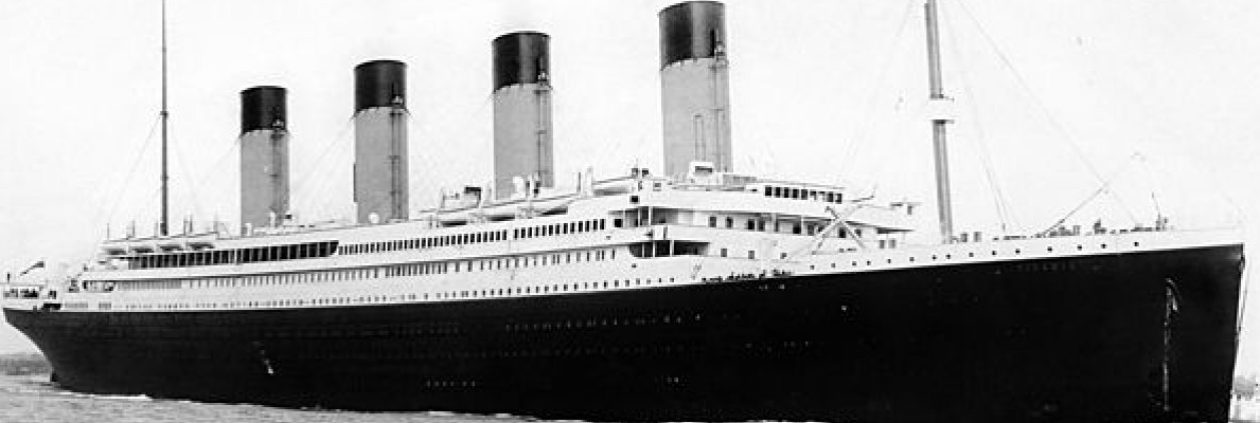
Titanic leaving Belfast with two guiding tugs, 2 April 1912
Robert John Welch (1859-1936), official photographer for Harland & Wolff
Public Domain/Wikimedia Commons


Titanic’s sea trials, originally scheduled for 1 April at 10 am but cancelled due to adverse weather, took place at 0600 on 2 April 1912. While it reduced staying in Southhampton by one day, it provided an opportunity for the officers and crew to see how the new ship operated. 78 members of “black gang”–stokers, greasers and firemen– were aboard along with 41 other members of the crew. Both Harold Bride and Jack Phillips were aboard as well to make sure the radio equipment was working properly. Unfortunately, due to illness neither Bruce Ismay nor Lord Pirrie could attend. Among the representatives in attendance were:


  • Thomas Andrews and Edward Wilding of Harland and Wolff
  • Harold A. Sanderson of IMM
  • Francis Carruthers of the Board of Trade to certify the ship was working correctly and fit to carry passengers.

Crowds gathered at the banks of Belfast Lough to watch Titanic pass by. After the mooring lines were dropped, tugs assisted the ship down Belfast Lough until she reached the point where it was time to detach the tugs and move on her own power. Signals were sent from the bridge to the engine room, and the two massive engines came on to move the massive propellers. From that moment on, Titanic was moving under its own power for the very first time. Gradually the speed was worked up to 20 knots (23 mph) and the sea trials began in earnest.

Over 12 hours the ship was driven at different speeds and her turning ability was tested. Testing on how fast Titanic could stop quickly (called a “crash stop”) was done as well. This was achieved by reversing full ahead to full astern. Titanic came to a stop in 850 yards taking approximately 3 minutes and 15 seconds. Titanic covered a distance of about 80 nautical miles (92 land miles) with an average speed of 18 knots (21 mph). Titanic reached its maximum speed of slightly under 21 knots (24 mph).

Titanic went into the Irish Sea for two hours covering 40 miles then turned back home. Doing a few more maneuvers as she returned to Belfast at 7:00 p.m. The sea trials were not quite over though as Carruthers requested that both the port and starboard anchors be lowered. With that completed, he signed the certificate “Agreement and Account of Voyages and Crew” certifying the ship seaworthy for one year. It was also signed by Thomas Andrews and Harold Sanderson.

Titanic returned to Belfast at around 1900 (7 pm). Carruthers as surveyor for the Board of Trade signed the document (“Agreement and Account of Voyages and Crew”) certifying for 12 months the ship was seaworthy. Those not staying aboard Titanic for its 8:00 p.m. departure for Southampton were ferried to shore. Titanic would depart on time at 8:00 p.m.

It would take 28 hours to travel the 600 miles reach her destination on 4 April 1912 for the midnight tide. Time was of the essence due to one less day in Southampton to take on provisions and supplies for its departure on 10 April 1912. With five tugs assisting her, she  docked at Berth 44 to prepare for her maiden voyage.

Sources

Books

Cameron, Stephen. Titanic: Belfast’s Own. Colourpoint, 2011.

Lord, Walter

A NIGHT TO REMEMBER, Holt Rinehart and Winston, New York, New York, 1955. Multiple revisions and reprints, notably Illustrated editions (1976,1977,1978 etc.)

THE NIGHT LIVES ON, Willian Morrow and Company, New York, New York, 1986 (First Edition)

Internet Articles

Dane, Kane. “Titanic’S Sea Trials.” Titanic-Titanic.Com. Last modified July 3, 2019. Accessed April 1, 2026. https://www.titanic-titanic.com/titanics-sea-trials/.

Payne, Brad. “Titanic’s Voyage From Belfast to Southampton April 2, 1912: Sea Trials and Delivery to Southampton.” Encyclopedia Titanica. Last modified November 1, 2021. Accessed April 1, 2026. https://www.encyclopedia-titanica.org/titanic-voyage-belfast-southampton-april-2nd.html.

Titanic News Channel is a participant in the Amazon Services LLC Associates Program, an affiliate advertising program designed to provide a means for sites to earn advertising fees by advertising and linking to Amazon.com.

Titanic History: Titanic Sea Trials (2 April 1912)


Titanic leaving Belfast with two guiding tugs, 2 April 1912
Robert John Welch (1859-1936), official photographer for Harland & Wolff
Public Domain/Wikimedia Commons


Titanic’s sea trials would begin at 0600. It was cancelled the previous day due to bad weather. The day was clear and fair for the trials. Aboard were 78 stokers, greasers, and fireman. 41 members of the crew were also aboard. Harold Bride and Jack Phillips were aboard as well both as radio operators and to make sure the equipment was ready.

Various representatives were aboard which included the following:

  • Thomas Andrews and Edward Wilding of Harland and Wolff
  • Harold A. Sanderson of IMM
  • Francis Carruthers of the Board of Trade to certify the ship was working correctly and fit to carry passengers.

Unfortunately, due to illness neither Bruce Ismay nor Lord Pirrie could attend. The Titanic was out through a series of tests to show how she handled. These were done in Belfast Lough and in the Irish Sea. Over 12 hours the ship was driven at different speeds and her turning ability was tested. Testing on how fast Titanic could stop quickly (called a “crash stop”) was done as well. This was achieved by reversing full ahead to full astern. Titanic came to a stop in 850 yards taking approximately 3 minutes and 15 seconds. Titanic covered a distance of about 80 nautical miles (92 land miles) with an average speed of 18 knots (21 mph). Titanic reached its maximum speed of slightly under 21 knots (24 mph).

Titanic returned to Belfast at around 1900 (7 pm). Carruthers as surveyor for the Board of Trade signed the document (“Agreement and Account of Voyages and Crew”) certifying for 12 months the ship was seaworthy. Titanic would depart at 20:00 (8 pm) for Southampton. It would take 28 hours to reach her destination near midnight on 4 April 1912.

Sources:

Cameron, Stephen. Titanic: Belfast’s Own. Wolfhound Press (IE), 1998.

Walter Lord
—. A Night to Remember. Henry Holt, 1955.
—. Night Lives On. Avon, 1998

—. “Titanic.” Wikipedia, 2 Apr. 2024, en.wikipedia.org/wiki/Titanic.

Titanic Chronology 2 April 1912-Titanic Sea Trials

[This has been updated for 2024 with some new information.

Titanic leaving Belfast with two guiding tugs, 2 April 1912
Robert John Welch (1859-1936), official photographer for Harland & Wolff
Public Domain/Wikimedia Commons


Titanic’s sea trials would begin at 0600. It was cancelled the previous day due to bad weather. The day was clear and fair for the trials. Aboard were 78 stokers, greasers, and fireman. 41 members of the crew were also aboard. Harold Bride and Jack Phillips were aboard as well both as radio operators and to make sure the equipment was ready.

Various representatives were aboard which included the following:

  • Thomas Andrews and Edward Wilding of Harland and Wolff
  • Harold A. Sanderson of IMM
  • Francis Carruthers of the Board of Trade to certify the ship was working correctly and fit to carry passengers.

Unfortunately, due to illness neither Bruce Ismay nor Lord Pirrie could attend. The Titanic was out through a series of tests to show how she handled. These were done in Belfast Lough and in the Irish Sea. Over 12 hours the ship was driven at different speeds and her turning ability was tested. Testing on how fast Titanic could stop quickly (called a “crash stop”) was done as well. This was achieved by reversing full ahead to full astern. Titanic came to a stop in 850 yards taking approximately 3 minutes and 15 seconds. Titanic covered a distance of about 80 nautical miles (92 land miles) with an average speed of 18 knots (21 mph). Titanic reached its maximum speed of slightly under 21 knots (24 mph).

Titanic returned to Belfast at around 1900 (7 pm). Carruthers as surveyor for the Board of Trade signed the document (“Agreement and Account of Voyages and Crew”) certifying for 12 months the ship was seaworthy. Titanic would depart at 20:00 (8 pm) for Southampton. It would take 28 hours to reach her destination near midnight on 4 April 1912.

Sources:

Cameron, Stephen. Titanic: Belfast’s Own. Wolfhound Press (IE), 1998.

Walter Lord
—. A Night to Remember. Henry Holt, 1955.
—. Night Lives On. Avon, 1998

—. “Titanic.” Wikipedia, 2 Apr. 2024, en.wikipedia.org/wiki/Titanic.

Titanic Chronology: Titanic Sea Trials (2 April 1912)

Titanic leaving Belfast with two guiding tugs, 2 April 1912
Robert John Welch (1859-1936), official photographer for Harland & Wolff
Public Domain/Wikimedia Commons

Due to delays in fitting out, repairs to Olympic and bad weather, Titanic began her sea trials on 2 April 1912. The trials began at 0600 (6 am). There were stokers, greasers and fireman along with crew members aboard. Thomas Andrews and Edward Wilding were aboard representing Harland & Wolff. Harold Sanderson represented IMM. Both Bruce Ismay and Lord Pirrie were ill and could not attend. Francis Carruthers from the Board of Trade was also present to see that the ship was fit to carry passengers. Marconi wireless operators Jack Phillips and Harold Bride were also aboard.

The sea trials took 12 hours and tested the ship’s ability to travel at different speeds, turning ability, and ability to stop quickly. Titanic was tested both in the Irish Sea and in Belfast Lough. About 80 miles were covered during the trials. The ship would return to Belfast around 1900 (7 pm.). The surveyor from the Board of Trade signed papers that the ship was seaworthy for the next 12 months.

Titanic would depart an hour later to head to Southampton to take on additional crew, passengers, and supplies.

Sources:

Books

Behe, George TITANIC: SAFETY, SPEED AND SACRIFICE, Transportation Trails, Polo, IL 1997

Eaton John P. & Haas Charles, TITANIC TRIUMPH AND TRAGEDY, SECOND EDITION, W.W. Norton & Company, New York, New York, 1995 First American Edition

Lord, Walter, A NIGHT TO REMEMBER, Holt Rinehart and Winston, New York, New York, 1955. Multiple revisions and reprints, notably Illustrated editions (1976,1977,1978 etc)

Lord, Walter, THE NIGHT LIVES ON, Willian Morrow and Company, New York, New York, 1986 (First Edition)

Lynch, Don & Marshall Ken, TITANIC AN ILLUSTRATED HISTORY, Madison Press Books, Toronto, Ontario Canada, 1992


Internet

Britannica.com
Encyclopedia Titanica
History.com


,,,

Titanic Chronology: Titanic Sea Trials (2 April 1912)

Titanic leaving Belfast with two guiding tugs, 2 April 1912
Robert John Welch (1859-1936), official photographer for Harland & Wolff
Public Domain/Wikimedia Commons

Due to delays in fitting out, repairs to Olympic and bad weather, Titanic began her sea trials on 2 April 1912. The trials began at 0600 (6 am). There were stokers, greasers and fireman along with crew members aboard. Thomas Andrews and Edward Wilding were aboard representing Harland & Wolff. Harold Sanderson represented IMM. Both Bruce Ismay and Lord Pirrie were ill and could not attend. Francis Carruthers from the Board of Trade was also present to see that the ship was fit to carry passengers. Marconi wireless operators Jack Phillips and Harold Bride were also aboard.

The sea trials took 12 hours and tested the ship’s ability to travel at different speeds, turning ability, and ability to stop quickly. Titanic was tested both in the Irish Sea and in Belfast Lough. About 80 miles were covered during the trials. The ship would return to Belfast around 1900 (7 pm.). The surveyor from the Board of Trade signed papers that the ship was seaworthy for the next 12 months.

Titanic would depart an hour later to head to Southampton to take on additional crew, passengers, and supplies.

Sources:

Books

Behe, George TITANIC: SAFETY, SPEED AND SACRIFICE, Transportation Trails, Polo, IL 1997

Eaton John P. & Haas Charles, TITANIC TRIUMPH AND TRAGEDY, SECOND EDITION, W.W. Norton & Company, New York, New York, 1995 First American Edition

Lord, Walter, A NIGHT TO REMEMBER, Holt Rinehart and Winston, New York, New York, 1955. Multiple revisions and reprints, notably Illustrated editions (1976,1977,1978 etc)

Lord, Walter, THE NIGHT LIVES ON, Willian Morrow and Company, New York, New York, 1986 (First Edition)

Lynch, Don & Marshall Ken, TITANIC AN ILLUSTRATED HISTORY, Madison Press Books, Toronto, Ontario Canada, 1992


Internet

Britannica.com
Encyclopedia Titanica
History.com


,,,

Titanic Chronology: Titanic Sea Trials (2 April 1912)

Titanic leaving Belfast with two guiding tugs, 2 April 1912
Robert John Welch (1859-1936), official photographer for Harland & Wolff
Public Domain/Wikimedia Commons

Due to delays in fitting out, repairs to Olympic and bad weather, Titanic began her sea trials on 2 April 1912. The trials began at 0600 (6 am). There were stokers, greasers and fireman along with crew members aboard. Thomas Andrews and Edward Wilding were aboard representing Harland & Wolff. Harold Sanderson represented IMM. Both Bruce Ismay and Lord Pirrie were ill and could not attend. Francis Carruthers from the Board of Trade was also present to see that the ship was fit to carry passengers. Marconi wireless operators Jack Phillips and Harold Bride were also aboard.

The sea trials took 12 hours and tested the ship’s ability to travel at different speeds, turning ability, and ability to stop quickly. Titanic was tested both in the Irish Sea and in Belfast Lough. About 80 miles were covered during the trials. The ship would return to Belfast around 1900 (7 p.). The surveyor from the Board of Trade signed papers that the ship was seaworthy for the next 12 months.

Titanic would depart an hour later to head to Southampton to take on additional crew, passengers, and supplies.

Sources:

Books

Behe, George TITANIC: SAFETY, SPEED AND SACRIFICE, Transportation Trails, Polo, IL 1997

Eaton John P. & Haas Charles, TITANIC TRIUMPH AND TRAGEDY, SECOND EDITION, W.W. Norton & Company, New York, New York, 1995 First American Edition

Lord, Walter, A NIGHT TO REMEMBER, Holt Rinehart and Winston, New York, New York, 1955. Multiple revisions and reprints, notably Illustrated editions (1976,1977,1978 etc)

Lord, Walter, THE NIGHT LIVES ON, Willian Morrow and Company, New York, New York, 1986 (First Edition)

Lynch, Don & Marshall Ken, TITANIC AN ILLUSTRATED HISTORY, Madison Press Books, Toronto, Ontario Canada, 1992


Internet

Britannica.com
Encyclopedia Titanica
History.com


,,,